Is it time to invest in your career? Maybe you are newly retired but would love to meet new and interesting people and earn a salary whilst working part-time. You might be a new mum eager to return to work but looking for a job that will fit your lifestyle and new family. Whatever your reasons for considering a career as a celebrant, it’s time to invest in your career, and we can assure you that training as a celebrant will be one of the most exciting decisions you will ever make.
Becoming a celebrant offers the chance to engage in work you’re passionate about, allowing for a lifestyle with freedom and flexibility. You can set your own hours, work with people you connect with, and live life on your terms. It’s more than just a job; it’s a lifestyle choice that allows for personal fulfilment and the opportunity to be part of people’s most significant moments.
So, is it time to invest in your career as a Celebrant? In this article, we explore a career in Celebrancy and whether it’s time for you to invest.
Is a Celebrant a Good Career?
Becoming a celebrant can be a fulfilling career choice, offering the chance to be part of people’s significant life events. It’s great because it offers the personal fulfilment of creating unique, meaningful ceremonies for couples, children or families.
You might love the creativity involved in writing memorable wedding ceremony scripts, love public speaking or find meaning and purpose in supporting people through grief as a funeral celebrant; perhaps you simply delight in creating joy-filled celebrations of life, love and family. Whatever appeals to you, there’s no doubt that no two days are the same.
The career is highly flexible; it can be full or part-time, and because you get to choose what sort of Celebrant you become and who you want to work with, you get to set your own schedule, which is beneficial for those seeking work-life balance or needing to accommodate other commitments.
Before you invest in your career as a celebrant
Before you invest in your career as a celebrant, it’s probably worth deciding if it is the right path for you. Ask yourself:
- Am I passionate about creating meaningful ceremonies for others?
- Do I enjoy public speaking and feel comfortable in front of an audience?
- Can I empathize with people from diverse backgrounds and understand their unique needs?
- Am I organized and detail-oriented, able to manage the logistical aspects of event planning?
- Do I have the flexibility and adaptability to handle unexpected changes or challenges?
- Am I looking for a career that offers autonomy and the freedom to set my own schedule?
- Can I commit to continuous learning and development in this field?
Reflecting on these questions can help you gauge whether a career as a celebrant aligns with your interests, skills, and lifestyle preferences.
We’ve also created a fun quiz to see if you’re a celebrant in the making
Read more: Essential Traits of a Funeral Celebrant

Invest in your career – How much does it cost to become a Celebrant?
The cost of becoming a Celebrant around the world can vary greatly depending on what type of Celebrant training you opt for, your training provider and whether you opt for online training or a residential course.
A Celebrant training course in the UK could cost anywhere between £700 and £5000.
If you’re considering investing in Celebrant Training with The Academy of Modern Celebrancy, expect to pay around £1400 to train as a Wedding or Funeral Celebrant or around £3000 to train online as a master celebrant for weddings, funerals and naming ceremonies.
Residential training usually starts at around £4000-£5000 (not including travel) and normally covers one main area of celebrancy i.e. wedding or funeral.
Once you’re an accredited Celebrant, the sky is the limit in terms of your earning potential. Independent Wedding celebrants generally charge anywhere between £500 – £1500 per wedding ceremony, Funeral Celebrants typically charge between £300 – £500 for a funeral ceremony and Naming Celebrants charge similar fees between £250 – £600
There are other cost considerations, too.
If you want to build a successful career as a celebrant, you’ll be your own boss, and you’ll need to run your business like a business. You need to set up your business once you have finished training and become certified.
You will need a budget for:
- a website
- an appointment booking system like Calendly
- a brand (logo and style)
- marketing materials like business cards and flyers
- a celebrant kit for ceremony days
But remember, these are all worthwhile and important investments into your celebrancy business.
Can you make a living as a Celebrant?
Before you invest in your career as a Celebrant, you probably want to find out if it’s worth your investment. It’s good to know that you can make a living as a celebrant, especially as an established, full-time celebrant. In fact, we know people in the UK who earn over £100,000 a year as a celebrant and our support groups are filled with people for whom becoming a celebrant has been a life-changing experience (for good!).
It is worth noting that your income as a celebrant can vary widely based on factors such as location, type and number of ceremonies conducted, and the celebrant’s experience and reputation. Successful celebrants who establish a strong brand and network effectively can earn a sustainable income.
For many, the beauty in being a celebrant comes with having the flexibility to schedule ceremonies and the ability to work part or full-time. If you’re managing multiple commitments or already have a job, being a celebrant can be a nice way to enhance your earning opportunities.
How much do Celebrants earn?
As a general rule of thumb, celebrants earn between £500-£1500 a ceremony. Wedding celebrants typically charge more than funeral or naming celebrants, but funeral celebrants will generally conduct more ceremonies than wedding celebrants.
If you’re working as a full-time Celebrant, you can expect to earn upwards of £30,000 a year, and we have trained Celebrants who earn over £100,000 a year.
As a Celebrant your earning potential will be dependent on
- The number of Ceremonies you conduct
- The type of Ceremonies you offer
- Your ability to market yourself and get bookings
- Your experience, network size and the added value you offer.
Wedding Celebrants in the UK are currently charging between £600-£1500 per ceremony (2023/24), with some outliers charging as much as £2500 for a wedding ceremony.
Our experienced Full-time Wedding Celebrants are generally conducting between 50-60 weddings a year, and earnings vary between £30,000 – £100,000 a year, depending on their rates.
Funeral celebrants typically charge anywhere between £250 – £500 (2023/24) per ceremony, and a Full-time Funeral Celebrant might expect to conduct anywhere between 3 and 5 funeral ceremonies per week. Full-time Funeral Celebrants can expect to earn anywhere between £39,000 to £100,000+
Average Prices for Naming Ceremonies for 2023/24 are typically £200-£400, but we’ve seen established Celebrants charging as much as £675 for a naming ceremony, and since most celebrants offer these as an add-on service it’s a nice way to increase your income.
How much you earn depends on how much work you put into your business. Branding your business and marketing yourself in the right places is crucial. Visibility is key! Again, it comes down to investing in yourself and creating the future you want!
Average Celebrant Salary The UK
In the UK, the average wedding Celebrant can earn between £20,000-£40,000 a year. Still, a poll of The Celebrant Directory Members showed that some could earn as much as £60,000 a year. Also, there are many ways to diversify your business for extra income. Think vow renewals, divorce ceremonies, pet memorials and more.
How long does it take to become a Celebrant?
While some in-person residential Celebrant Training can be completed in less than a week, we wouldn’t recommend starting your career that way; that’s a lot of information to take on in a short period, and most people prefer to have more support as they learn. The more favoured online celebrant training courses, like ours, typically span 4-12 weeks, offering up to a year for completion. On average, it takes our students just 4 weeks to complete the course and achieve accreditation.
Some students can complete the course and coursework in as little as 4 weeks, but you can take as long as you want or need, which is great if you have other commitments.
Our online Celebrant training courses are structured to provide full support and 1-2-1 mentoring throughout your learning experience as well.

Is there a demand for Celebrants?
According to the 2023 National Wedding Survey by Hitched.co.uk, the number of couples opting for celebrant-led weddings in the UK has grown by 18% year on year, with searches for celebrant-led weddings up nearly 50%. Secular Funerals led by celebrants are on the rise too.
Celebrants have reported a rise in enquiries and bookings, even amid economic challenges like rising mortgage payments or rents. This suggests that couples prioritize personalized ceremonies, viewing them as essential to their wedding day experience. Celebrants are being appreciated for the unique, personalized services they offer, contrasting with the more generic services provided by traditional council registrars.
In Australia, the civil celebrancy program has been thriving for decades, with most marriages now being conducted by civil celebrants. This program has evolved to include various ceremonies beyond just weddings, reflecting the public’s embrace of civil celebrants for various life events.
The demand for celebrants who can provide unique, personalized experiences is evident across different countries and cultures, highlighting a global shift towards more individualized, meaningful ceremonies. This trend suggests a promising outlook for those considering a career in celebrancy, especially for those willing to offer tailored, inclusive services that resonate with people’s diverse needs and preferences.
Why you should invest in your career training as a Celebrant
When you invest in your career, you can invest time, money and sometimes both. We’re industry experts so we understand how celebrant training can help you get where you want to be faster. Investing in training as a celebrant can offer several benefits that can help you get up and running quicker in your career:
- Structured Learning Path: Quality training programs provide a structured approach to learning, covering all essential aspects of celebrancy, from conducting ceremonies to understanding legal requirements. This comprehensive education ensures you are well-prepared to start practising soon after completion.
- Professional Credibility: Completing a recognized training course can enhance your credibility as a professional celebrant. It demonstrates to potential clients and collaborators that you have invested in your skills and are committed to providing a high standard of service.
- Networking Opportunities: Training programs often offer networking opportunities with fellow students and professionals in the field. These connections can be invaluable for sharing experiences, referrals, and support as you start your career.
- Access to Resources: Many training providers offer ongoing support and resources to their graduates, such as templates for ceremonies, business advice, and continuous professional development opportunities. These resources can significantly speed up the process of setting up your practice.
- Confidence: Being well-trained can significantly boost your confidence in your ability to deliver meaningful and personalized ceremonies. Confidence is key when dealing with clients and conducting ceremonies, and it can set you apart from less prepared competitors.
- Adaptability: A comprehensive training program will equip you with the skills to adapt to various ceremony types, cultural traditions, and client requests, making you more versatile and able to capture a broader market.
- Compliance and Best Practices: Understanding the legalities and ethical considerations in celebrancy is crucial. Training ensures you are up-to-date with the laws and best practices, reducing the risk of legal issues and enhancing your professional reputation.
- Market Readiness: Training courses often include modules on business skills, marketing, and client relations, which are essential for successfully launching and growing your celebrant business.
Investing in quality training as a celebrant can provide a solid foundation for your career, ensuring you are well-equipped, confident, and credible when entering the market. This preparation can significantly shorten the time it takes to establish yourself as a professional celebrant and attract clients.
Read more: Choosing a Celebrant Training Programme
Ready to invest in Celebrant training?
If you’re ready to invest in the best accredited celebrant training with a ready-made, supportive community of celebrants, award-winning celebrant mentors, flexible online training and more, visit our Celebrant courses page and sign up today.
Jennifer Claire
Jennifer is the Director of the leading celebrant training company, The Academy of Modern Celebrancy as well as the Founder of The Celebrant Directory, supporting over 600 celebrants globally.
Jennifer run a 2.5k community of celebrants who she dedicates her time to helping them grow their businesses and taking celebrancy from a hobby to a lifestyle.
Jennifer heads up the global Celebrant Industry Awards and the global celebrant summit, Celebrantopia each year!
A celebrant herself since 2010, she knows what it takes to make it in the industry and trains the best celebrants out there across the UK, Europe and the USA.
Take the Quiz to find out if you have what it takes!
Download the Ultimate Guide to becoming a Celebrant & find out how you can make this happen!

If you liked this article you may enjoy ...
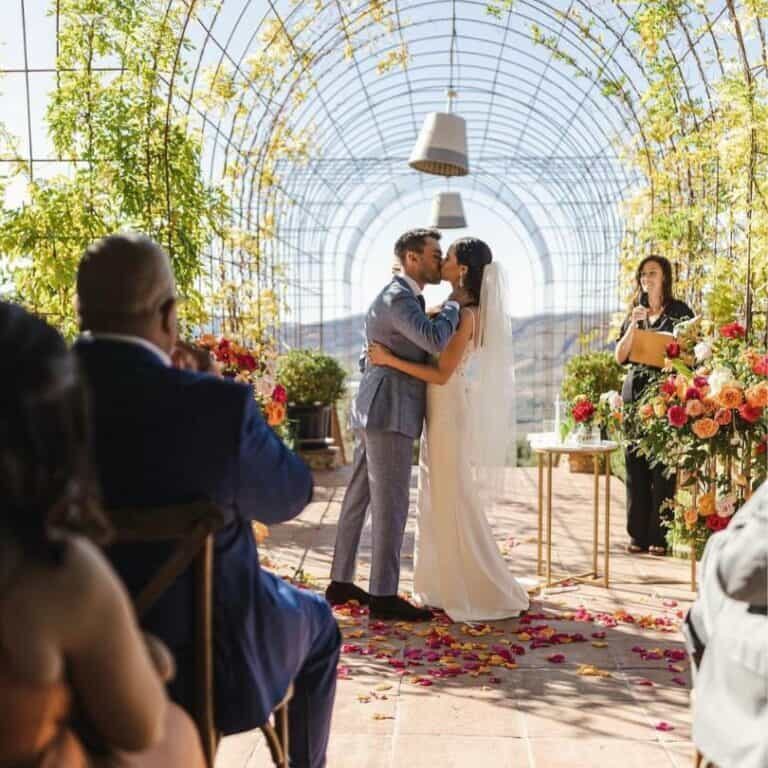
Training to be an accredited Celebrant in Spain
Celebrancy is a growing profession in Spain fueled by demand for personalised, non-religious, and interfaith ceremonies, destination weddings and robust ex-pat communities from the UK and beyond. If you’re considering Training to be an accredited Celebrant in Spain, there are a few things you’ll need to know, so we’ve put together this handy guide to…

5 Essential Skills for Celebrants
Have you ever dreamt of officiating life’s most cherished moments – the joyous vows of a wedding ceremony, the heartwarming welcome of a newborn child, or the dignified farewell of a loved one? Celebrants play a crucial role in weaving these threads of life into meaningful experiences. But what exactly does it take to become…
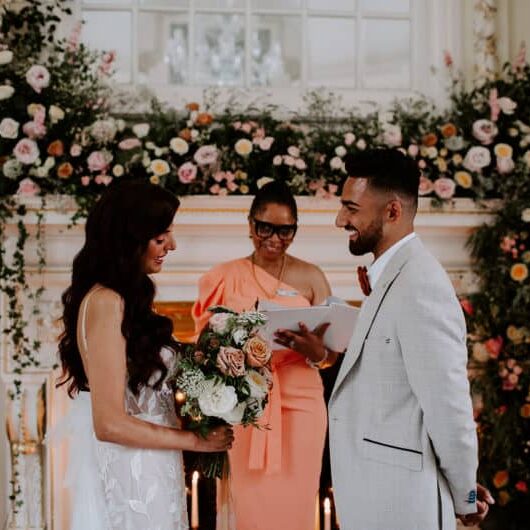
Wedding Celebrant Outfits: 2024 Style Guide
As a wedding celebrant, you’re not just officiating a ceremony; you’re contributing to the overall atmosphere of the special day. While the focus is naturally on the couple, your attire plays a role in setting the tone and ensuring you look professional and polished. And in 2024, we’re throwing the rulebook out of the window!…
As featured in