There is a growing demand throughout Wales and the rest of the UK for Celebrants to perform and officiate at weddings, naming ceremonies and funerals. As an independent certified Celebrant in Wales, you can choose to work in Wales or England (if you’re close to the border).
You’ll be joining couples on their romantic journey into committed married life and creating beautifully personal and emotional ceremonies that can include cultural and symbolic elements.
Before you can work your creative magic and deliver a ceremony that is unforgettable, you can train to become a Celebrant with a course provider that offers the best learning option for you.
If you want to become an accredited Celebrant in Wales, there are a few things you need to know…
Types of Celebrants and Ceremonies
Wedding Celebrants in Wales
Wedding celebrants specialize in designing bespoke nuptials aligned with a couple’s personality and vision. They have expertise in crafting interfaith or non-religious ceremonies. Celebrants conduct customized ceremonies reflecting a couple’s values on their special day.
You’ll be joining couples on their romantic journey into committed married life, and creating beautifully personal and emotional ceremonies that can include cultural and symbolic elements.
Funeral Celebrants in Wales
Funeral celebrants focus on memorializing a loved one through a unique life celebration. They assist families with funeral planning and provide specialized support throughout bereavement. Celebrants can conduct non-religious ceremonies as a compassionate alternative to religious ceremonies, but have the freedom to include religious or spiritual aspects if the family wishes.
Naming Celebrants in Wales
Naming ceremonies led by celebrants offer a non-religious alternative to celebrate a child’s introduction to the community, focusing on their individuality and the parents’ hopes for their future. Celebrants can also craft interfaith naming ceremonies combining aspects from different religions, cultures and beliefs.
They plan and facilitate ceremonies welcoming babies, adoptions, transitions, and cultural rites of passage – aiming to reflect family heritage and values so the occasion retains meaning across one’s life.
Independent Celebrants in Wales
Independent Celebrants are trained and accredited through private institutions like The Academy of Modern Celebrancy, facilitating weddings, funerals, naming ceremonies and other life events for all individuals regardless of faith, culture or values.
As Wales becomes more secular and diverse, independent celebrants fill the demand for meaningful, inclusive and personalised ceremonies reflecting the uniqueness of every couple and family. With no preconceived ceremonies to adhere to, independent celebrants collaborate to craft customized events.
Understanding key differences between Celebrants
Religious officiants only perform ceremonies of their particular faith. Celebrants have versatility through extensive training to serve all beliefs and traditions with excellence. Their role is weaving together tailor-made ceremonies specific to clients’ spiritual values, cultural backgrounds and personal stories.
Independence allows celebrants to conduct religiously infused interfaith or strictly non-religious ceremonies and everything in between, tailored to their client’s wishes. Continued professional development ensures celebrants gain extensive learning to facilitate ceremonies embracing Wales’ diversity.
How do I become a Celebrant in Wales?
Training to become a celebrant is one of the most exciting decisions you can make. You get to write love stories, meet couples and families and officiate ceremonies at the most poignant moments in life; birth, death and marriage.
At the Academy of Modern Celebrancy, we offer a modern way to make your dreams of becoming a certified Celebrant come true. Whether you’re located in Cardiff or Anglesea, it’s possible to train as a Celebrant around your lifestyle commitments from the comfort of your home and at a pace that suits you.
While you can train in the old-fashioned way – by attending a classroom-based in-person or residential Celebrancy course – online Celebrant training in Wales is the easiest and quickest route to gaining accreditation, business know-how, and the confidence to create memories through ceremonies.

Read about Welsh singing legend Aled Jone’s journey to becoming a Celebrant with AMC
How long does it take to become a Celebrant in Wales?
While some in-person celebrant training workshops can be completed quite intensively in less than a week, taking on so much information in a short burst is extremely challenging. More extensive training over a longer timeframe is recommended for properly developing celebrant skills.
Quality online celebrant courses tailored for Wales span an average of 4-12 weeks, allowing a year for full completion. This provides the flexibility for students to learn at their own pace.
Some motivated students complete training and assignments in as little as 4 weeks, while others prefer to take their time absorbing all materials. The most thorough online celebrant courses offer 1-on-1 mentorship throughout, ensuring you feel supported while gaining confidence leading ceremonies.
On average, with consistent effort, most students finish accredited celebrant training and achieve certification within 4-6 weeks. Just ensure the training program is recognized and provides ample instructional resources, assessments, and guidance as you take your first steps as a professional celebrant in Wales.

What qualifications do you need to become a Celebrant in Wales?
One of the great things about training to become a Celebrant in Wales is that you don’t need to have any formal qualifications to begin an exciting and fulfilling new career.
Most celebrant training programmes will teach the key skills of public speaking and presenting, creative writing and storytelling and how to write a personalised ceremony. But as an independent Celebrant, you’ll also need to learn business skills like sales and marketing – how to be visible and get bookings, the legal side, what contracts you need etc.
If you want to become a Funeral Celebrant, you’ll need to learn about the funeral process, working with Funeral Directors and how to support grieving families.
Choosing a celebrant training program is an important step if you’re looking to become a professional celebrant; whether it’s for weddings, funerals, or other ceremonies, look for a high-quality programme that will teach you the skills you need to become a successful Celebrant.
Make sure your Celebrant training programme offers:
- Accredited and recognised Qualification
- Comprehensive Curriculum and high-quality content
- Access to professional Celebrant trainers & mentoring and support
- Practical Experience
- Business Skills Training, including legal & ethical training
- Proven Student Success and Great Feedback
- Continuing Education opportunities & community support
Interested? Explore our Celebrant training programs
Independent Celebrant Training and Accreditation in Wales
Quality celebrant training programs in Wales integrate both theoretical and practical learning on convening customized ceremonies, public speaking, and business operations. Upon completing training and assessments, celebrants gain accreditation certifying their abilities.
Trustworthy online courses allow flexibility to become a celebrant from anywhere in Wales through guided learning supplemented by some in-person training components. Choosing an accredited course ensures high caliber instruction is received, often recognized by educational bodies.

Becoming an Accredited Celebrant in Wales
The pathway to accredited celebrant status includes:
- Selecting your specialty – wedding, funeral, naming ceremonies
- Finding a thorough accredited celebrant course in Wales
- Completing all course materials and assignments
- Passing assessments in writing, planning and delivering ceremonies
- Learning rituals embracing Welsh heritage
- Gaining credentials and celebrant accreditation
- Officiating supervised ceremonies for experience
- Pursuing ongoing professional development
Understanding Celebrant Course Credentials
Certificated Celebrant Training typically provides a certificate upon completion, indicating mastery of the course content. On the other hand, Accredited Celebrant Training is recognized by an official accrediting body, in our case, NOCN National Open College Network and Nationally recognised Ofqual, ensuring the training meets certain standards and criteria.
The key difference between certificated and accredited training lies in the level of external validation and recognition each type of training offers, with accreditation generally seen as a higher standard due to its formal endorsement by a professional body.


How much does it cost to become a Celebrant in Wales?
The cost of becoming a Celebrant in Wales depends on the training course provider you have chosen. You can expect to pay upwards of £1000 to train as a celebrant for weddings, funerals and naming ceremonies. Residential training can cost up to £5000 per week, whilst online celebrant training offers comprehensive training and mentoring at a much more affordable price – see our fees here
Once you’re an accredited Celebrant in Wales, you can earn anywhere between £500-£1500 per wedding gig, so you can make a return on your investment in no time!

Can you become a Celebrant online in Wales?
Yes, of course you can! Back in the day, most celebrant training was offered as a residential training programme that required you to travel and stay and you were expected to remember everything you’d learnt over just a few days. The cost of the training, travel and accommodation was significant and a barrier for lots of people wanting to become a Celebrant. Nowadays, online training is the best and most flexible learning option for anyone who wants a career in the business of ‘love’.
With our accredited online Celebrant training courses, you can train from the comfort of your own home. No need for classrooms and weeks away. You will be assigned one of our amazing mentors, have weekly group Q&A sessions, and have access to the Hub – a library of video training, downloadable workbooks and all of the paperwork you need to get your business started.
On the AMC online Celebrant course, you also get 24/7 support from the amazing team at AMC, along with your fellow students in the exclusive members-only Facebook group, so you’re fully supported the whole way through. Oh, and there is an option to add on shadowing a Celebrant on the job too! you’ll learn about wedding rituals from around the world and how to craft emotive love stories and voice projection. The step-by-step course also gives you all the business skills you need to become a modern and successful Celebrant in Wales.
Interested in Celebrant Training?
If you’re inspired and feeling a calling to become a celebrant, the Academy of Modern Celebrancy invites you to join our vibrant community of aspiring celebrants.
Embrace this opportunity to transform your passion into a fulfilling career and become part of the celebrant community reshaping how we commemorate life’s most significant moments.
Begin your journey with us today, and step into a future where your work brings joy, meaning, and celebration to people’s lives.
Find out more about our exclusive online training in for Celebrants in Wales and all over the world.
Jennifer Claire
Jennifer is the Director of the leading celebrant training company, The Academy of Modern Celebrancy as well as the Founder of The Celebrant Directory, supporting over 600 celebrants globally.
Jennifer run a 2.5k community of celebrants who she dedicates her time to helping them grow their businesses and taking celebrancy from a hobby to a lifestyle.
Jennifer heads up the global Celebrant Industry Awards and the global celebrant summit, Celebrantopia each year!
A celebrant herself since 2010, she knows what it takes to make it in the industry and trains the best celebrants out there across the UK, Europe and the USA.
Take the Quiz to find out if you have what it takes!
Download the Ultimate Guide to becoming a Celebrant & find out how you can make this happen!

If you liked this article you may enjoy ...
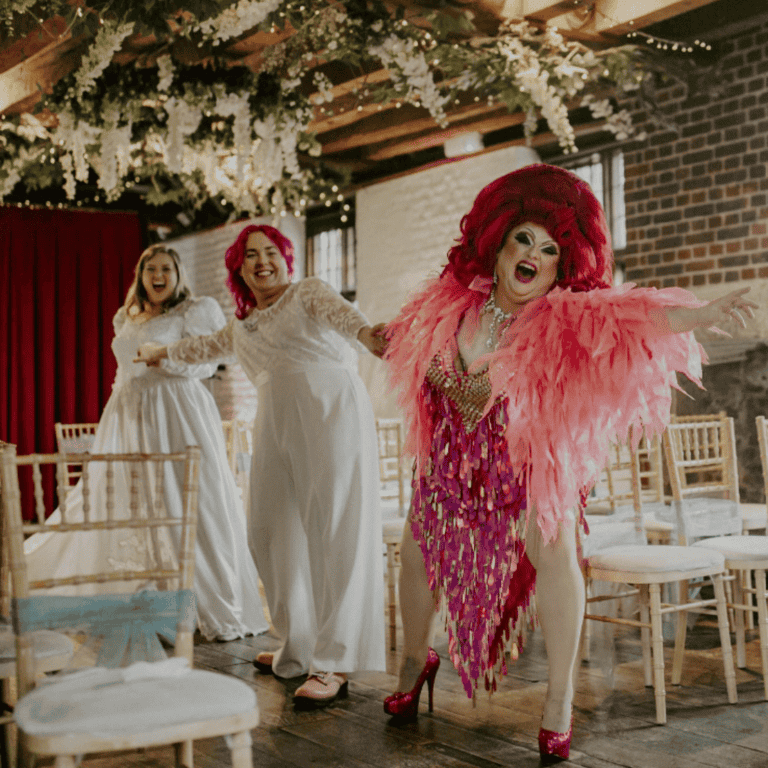
8 reasons to niche as a Celebrant + how to do it
Niching as a celebrant can offer several distinct advantages, allowing you to specialize in specific types of ceremonies or cater to particular cultural or community groups. Here are 8 reasons we think you should niche as celebrant: 1. Establish Expertise: Specializing in a particular type of ceremony, like traditional pagan handfasting ceremonies, allows you to…
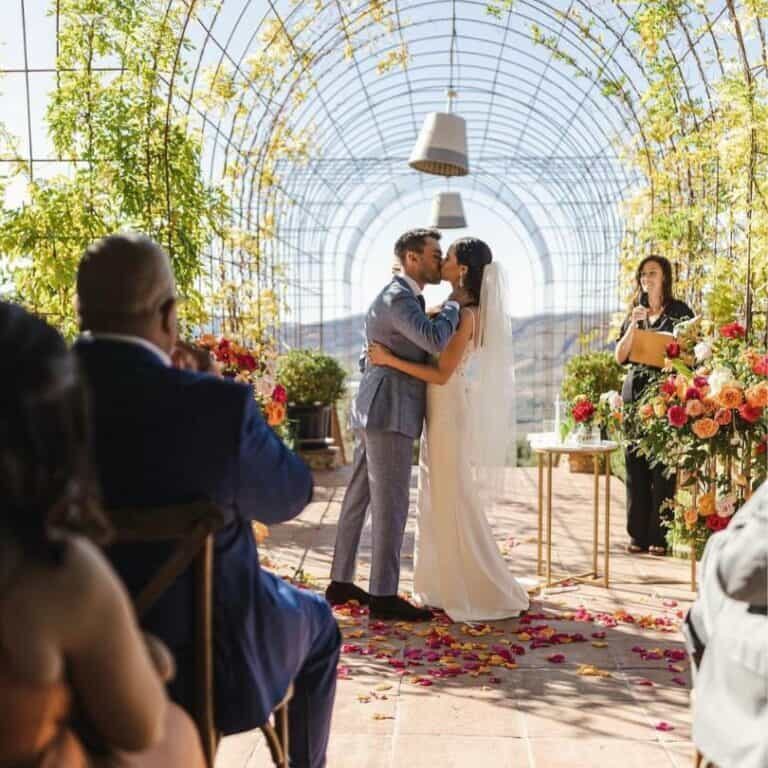
Training to be an accredited Celebrant in Spain
Celebrancy is a growing profession in Spain fueled by demand for personalised, non-religious, and interfaith ceremonies, destination weddings and robust ex-pat communities from the UK and beyond. If you’re considering Training to be an accredited Celebrant in Spain, there are a few things you’ll need to know, so we’ve put together this handy guide to…

5 Essential Skills for Celebrants
Have you ever dreamt of officiating life’s most cherished moments – the joyous vows of a wedding ceremony, the heartwarming welcome of a newborn child, or the dignified farewell of a loved one? Celebrants play a crucial role in weaving these threads of life into meaningful experiences. But what exactly does it take to become…
As featured in