Independent Celebrant? Registrar? Humanist? Officiant? It’s easy to get confused between the different terms, since they are all slightly different.
So what is an independent celebrant and what do they do? Celebrants write and officiate ceremonies that celebrate the important moments in life. Independent Celebrants can provide personalised ceremonies for weddings, funerals and memorials, naming ceremonies and vow renewals.
In this blog, we will define exactly what an independent celebrant does and what makes them special.
What is the difference between a registrar and a celebrant?
A registrar is a government official who performs the legal registration of marriages and birth. A celebrant writes and officiates at the ceremony. The person presiding over the marriage ceremony may be called a wedding or civil celebrant, as not all weddings are religious ceremonies.
Independent Celebrants will deliver personalised ceremonies that create meaningful celebrations in life. They can range from elopements to lavish weddings, through to natural burials and memorials.
Currently in the UK, a couple will have to attend the registry office to legalise the marriage if they are having their wedding ceremony with an independent celebrant. This can be done in a simple service that takes no longer than 20 minutes.

What are the benefits of having a celebrant?
The benefits of having a celebrant led ceremony means you can have your own, personalised ceremony that is reflective of the couple or family.
Each celebrant ceremony is personalised and created with the client in mind.
The celebrant will guide you through a series of questions to work out what sort of ceremony will best suit everyone’s needs. They will then create the ceremony from scratch.
The independent celebrant will work with you on your perfect ceremony by listening carefully and advising of any legal requirements or religious considerations too.
Celebrants are also available for those looking to organise their own memorials or blessings, and offer help with writing eulogies at funerals. They can lead everything from Quaker weddings through to Sikh services too.
The celebrants sometimes work in partnership with registrars so the legal part of a wedding can be achieved during the same time.
Read more benefits of having a celebrant led wedding ceremony here.
Can a celebrant legalise a marriage in the UK?
Independent celebrants do not have the legal authority to marry couples, register births or deaths, and so cannot legally validate marriages. The majority of independent celebrants in England are able to provide a ceremony at which marriage registers can be signed before an authorised person. In order for this process to take place, you will need to contact the registrar.

Can anyone be a celebrant?
Celebrants come from all different backgrounds and work in a variety of different ways. The key things you need to be a celebrant are a passion for ceremonies, be a people person and a love for writing.
As a celebrant, you’ll be working with people to create a ceremony from scratch, immersing yourself in their story and officiating the ceremony on the day.
How do I find an independent celebrant?
You can find over 400 independent celebrants on our sister site, The Celebrant Directory. The Celebrant Directory is the number one online blog for ceremonies and celebration and the leading directory to find a celebrant.

How I become a celebrant?
The Academy of Modern Celebrancy offers comprehensive, modern and exciting training avenues for celebrancy. You can train to become a Wedding Celebrant, Funeral Celebrant and Naming Celebrant with the Academy of Modern Celebrancy.
We not only teach you how to be a celebrant, but how to run a successful business.
Find out more about our courses here.
Become an Independent Celebrant
Interested in becoming an Independent Celebrant?
Take our Quiz here or read about our online celebrant training here or download our 10 MUST-HAVES FOR A SUCCESSFUL CELEBRANT BUSINESS
Jennifer Claire
Jennifer is the Director of the leading celebrant training company, The Academy of Modern Celebrancy as well as the Founder of The Celebrant Directory, supporting over 600 celebrants globally.
Jennifer run a 2.5k community of celebrants who she dedicates her time to helping them grow their businesses and taking celebrancy from a hobby to a lifestyle.
Jennifer heads up the global Celebrant Industry Awards and the global celebrant summit, Celebrantopia each year!
A celebrant herself since 2010, she knows what it takes to make it in the industry and trains the best celebrants out there across the UK, Europe and the USA.
Take the Quiz to find out if you have what it takes!
Download the Ultimate Guide to becoming a Celebrant & find out how you can make this happen!

If you liked this article you may enjoy ...

How to write a Wedding Ceremony Script
As celebrants, we sure do love to write ceremony scripts! It’s the best part of the job! There are several aspects to the job of celebrant that can be tricky to master, from mustering the bravery to stand up and speak in public to finding the right tone and formality with which to speak to…
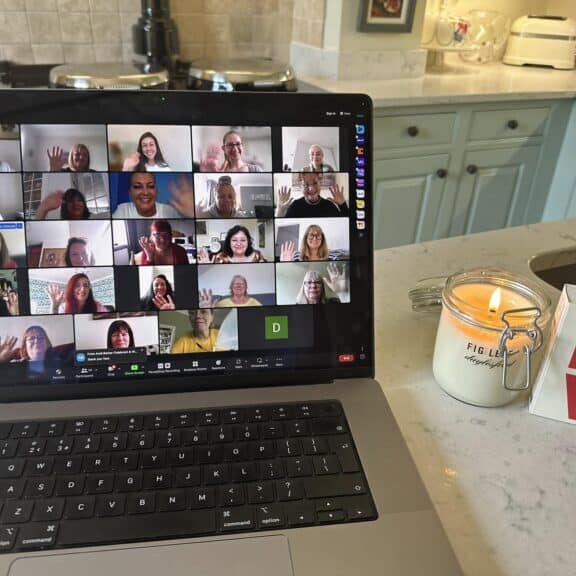
Celebrant Training – A Complete Guide
Embarking on celebrant training is a journey into crafting and leading personalized ceremonies that mark life’s significant moments. This Celebrant Training guide delves into the essence of celebrant training, highlighting the blend of practical skills and business knowledge essential for thriving in this unique profession. Whether you’re drawn to weddings, funerals, or naming ceremonies, the…
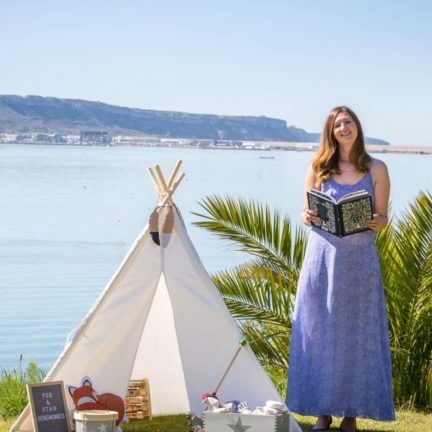
Innovative Naming Ceremony Ideas for Celebrants
Naming ceremonies, a tradition steeped in history across cultures, offer a momentous way to welcome a child. Family or Naming Celebrants play a key role in infusing these ceremonies with meaning, tradition, and personal touches. Naming ceremonies, an age-old tradition to welcome a new member into the family and community, are experiencing a transformation. As…
As featured in